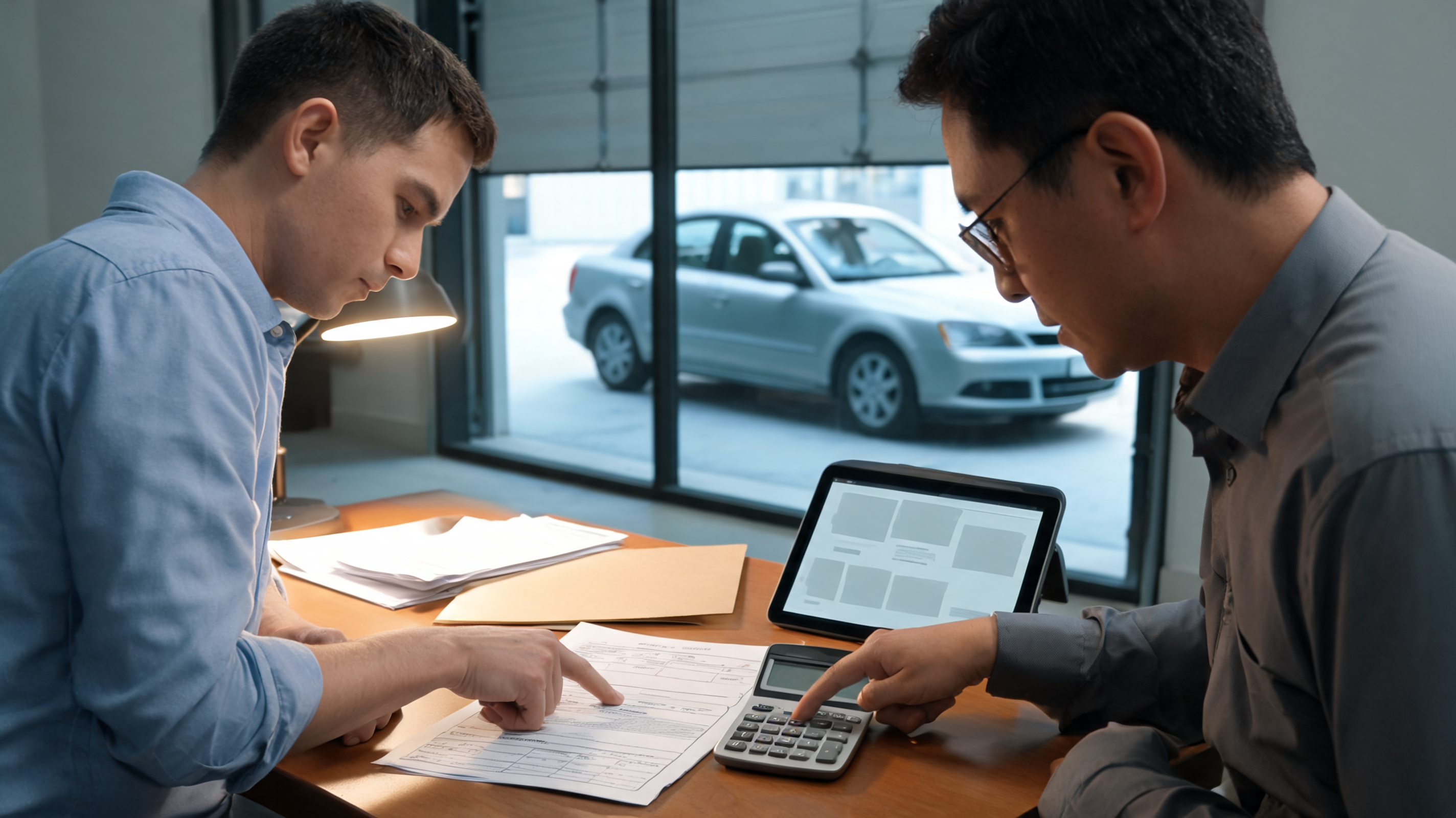
The Map Is not the Territory
A vehicle history report can save you thousands of dollars. It can also lull you into a false sense of security if you read it too quickly.
I've seen buyers scan a Carfax or AutoCheck report, spot the phrase "no accidents reported," and relax their shoulders as if the car just passed a lie detector test. Bad move. A history report is a map, not a guarantee. Some roads are missing. Some landmarks are mislabeled. And occasionally, somebody has taken a marker to the map and tried to hide the swamp.
In the USA used-car market, that matters more than ever. Reports of title washing and odometer fraud have climbed sharply in recent years, especially as vehicles move across state lines after floods, hurricanes, major crashes, lemon-law buybacks, and dealer auctions. If you're shopping for a used car, truck, SUV, or EV, you need to know how to read the report like a skeptical buyer, not a hopeful one.
Carfax and AutoCheck pull information from DMV records, insurance claims, police reports, auctions, service shops, emissions stations, manufacturers, finance companies, and other databases. When the data is good, the report tells a useful story: where the vehicle lived, how often it changed hands, whether it was damaged, how the mileage moved over time, and whether the title has ugly words attached to it.
But here's the thing: the report is only as complete as the records feeding it. If a body shop never reports a repair, the accident may not appear. If a flood-damaged car is moved from one state to another before the title brand catches up, you might see a clean-looking report for a dirty vehicle. And in several states, accident reporting can be inconsistent or partly voluntary. Texas, Florida, Georgia, Arizona, and Oklahoma often come up in discussions about uneven reporting and title movement because huge volumes of vehicles pass through those markets.
That doesn't make the reports useless. Far from it. They're essential. But they're the beginning of your inspection, not the end. When buyers ask VirtualCarHub.com how dealers buy cars at auction without getting burned, the answer is rarely "they trusted one report." Dealers compare history reports, auction announcements, condition scores, market pricing, transport costs, and physical inspections. Retail buyers should borrow that mindset.
Think of It Like a Timeline
Your job is to look for breaks, sudden jumps, strange detours, and anything that doesn't match the seller's story. A clean car usually has a boring history. Boring is good. Drama belongs on television, not in the title record of a 2021 crossover you're about to finance for 72 months.
The First Five Minutes: Scan These Sections Before Anything Else
- Title status: Look for salvage, rebuilt, flood, junk, lemon, fire, hail, or manufacturer buyback labels.
- Mileage history: Read every mileage entry in order. Don't just check the last number.
- Ownership timeline: Note how many owners the car had and how long each kept it.
- Accident and damage entries: Separate minor cosmetic notes from structural, airbag, or total-loss events.
- State history: Watch for moves between states, especially after storms, auctions, or title events.
Do this before you fall in love with the color, the wheels, or the panoramic roof. Emotion is expensive. Paperwork is cheaper.