How to Read a Vehicle History Report

Red Flags in Carfax and AutoCheck You Shouldn't Miss

WINTER 2024

The used-car hunt rewards people who slow down, squint at the details, and keep their wallets in their pockets until the story checks out. In the USA, buyers navigate a $1.2 trillion market where scams still bite—billions lost each year—and a surprising share of vehicles carry undisclosed damage. A vehicle history report (VHR) is your flashlight in that dark garage.

Carfax and AutoCheck both help, just differently. Carfax leans on massive service and accident data. AutoCheck brings in an Experian-backed score and auction-heavy records. Neither catches everything. That's not a knock; it's your reminder to cross-check. Pull both if you can. Verify the VIN yourself. And yes, VIN cloning spiked recently, so always start with the metal tag at the base of the windshield and the driver's door sticker—never only what a seller texts you.

"Treat a vehicle history report like a doctor's chart—use it to ask better questions, not to skip the exam."

You're about to learn a clean, battle-tested way to read VHRs like a pro. We'll go step by step, with examples, quick tells, and moves I use when I'm buying for clients across the USA. We'll call out traps, too—title washing, odometer games, flood cars sent inland after storms. Ugly stuff, but fixable with a good process.

I've stood on auction lanes, crawled under SUVs in the rain, and argued politely with sellers who 'forgot' to mention a rebuilt title. The secret isn't fancy software; it's rhythm. A checklist you can run every time without thinking.

Step-by-Step: Read a Vehicle History Report

Step 1: Get both reports and confirm the real VIN

Pull Carfax and AutoCheck when the deal feels serious. Start with the basics: the 17-character VIN should match the windshield plate, door sticker, and the reports—exactly. One wrong character or a suspicious font on a plate is a stop sign. Snap photos. If a seller tries to block you from checking the metal VIN or says 'use the one online,' I walk.

Cross-verify early entries: build date, first sale, and original state of registration. If the first record shows up in a different state than the window sticker or the seller's story, dig. Gaps are loud—say the car has dealer service through 2020 and then nothing for three years. Not always fatal (pandemic years scrambled records), but it demands proof. After major hurricanes, flood cars get trucked north; many slip past the first sweep.

VIN Verification Checklist

  • Check windshield metal tag physically
  • Verify door sticker matches exactly
  • Cross-reference with both reports
  • Document with photos
  • Walk away from any seller who blocks access

Step 2: Read the title and ownership history like an auditor

Title brands sit near the top or in a dedicated section. Salvage, rebuilt, flood, lemon buyback—each one changes resale math and safety risk. A branded title can lower value by a third or more, and insurance may get fussy. Here's the trick: some sellers fish for buyers who think brands are just scary words. They're not. They're evidence.

Ownership rhythm matters. Four owners in five years? Maybe fine for a commuter Civic. Maybe a flip-fest for a problem truck. Fast state-to-state jumps, especially through known title-washing corridors, deserve a pause.

"Title brands aren't just scary words. They're evidence."
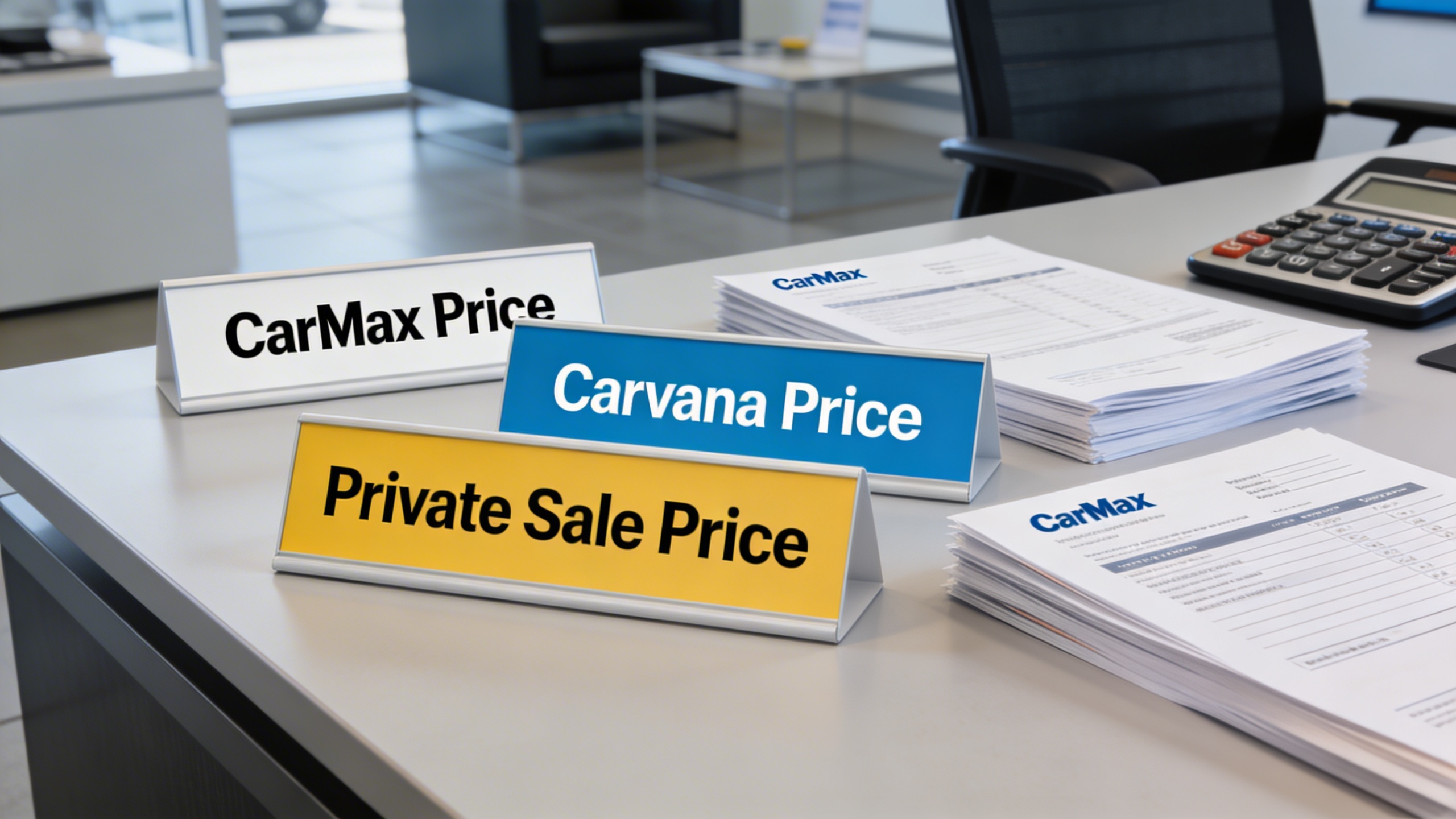
Table with price placards and service invoices comparing CarMax pricing explained and why Carvana is expensive, illustrating online car dealer markup

Accident Analysis & Service History

Step 3: Triage accidents and damage—cosmetic vs. structural

Accident sections are where buyers either panic or fall asleep. Do neither. You're hunting for structure, airbags, and repeat hits. A single bumper scrape from five years ago isn't a crisis. Structural damage, airbag deployment, or multiple accidents clustered together? That's different. Look at severity notes and follow the timeline: which side got hit, how soon did it come back on market, and did mileage jump like a rental turnover?

Odometer patterns tell their own story. Plot the readings down the page; they should rise steadily. A sudden dip, a reissued title with lower miles, or long periods with no readings—red flags. Odometer fraud is still common enough to hurt. States with dense private-party sales and big commuter markets—think California, New Jersey, Texas—see a lot of it.

Accident Severity Guide

Minor: Single bumper scrape, parking lot dings

Major: Structural damage, airbag deployment, frame involvement

Critical: Multiple accidents, flood damage, total loss recovery

Step 4: Service history, recalls, and maintenance patterns

Service history should read like a diary: oil services at sane intervals, brakes and tires replaced in believable timeframes, and bigger items—plugs, coolant, transmission services—roughly on schedule. Dealer visits help, but independent shops often report too. What you don't want: a car with low miles and no maintenance events for years, or a recent rash of engine lights cleared with parts-cannon guesses.

Check recalls every time. Many VHRs link directly to federal recall databases, and you can always drop the VIN into the NHTSA site. If life got busy and the owner ignored an airbag or fuel-pump recall, that's on you now unless the dealer commits in writing to fix it.

"Service history should read like a diary."

EV Specific Considerations

EV buyers, your homework is different. Battery health doesn't always show up in a VHR. Look for notes about high-voltage repairs, coolant system work, or DC fast charging histories in service logs. Water intrusion is deadly for packs; coastal and flood-region cars with rapid ownership turnover deserve extra skepticism.

Step 5: Cross-check with a pre-purchase inspection and DMV records

A proper pre-purchase inspection (PPI) by an ASE-certified shop is the second vote that makes or breaks a deal. Budget $150–$300. Ask for photos of underbody rails, suspension pickup points, apron seams, and evidence of overspray. Request a scan of restraint systems and modules—airbag systems don't always leave friendly breadcrumbs in history reports.

Call or visit the DMV site for a title status check. Many states offer low-cost or free verification by VIN. Confirm liens, brands, and last recorded mileage. And about cooling-off periods: most USA states don't give you three days to return a car bought from a dealership. Read the contract. Protect your deposit with clear, written contingencies—subject to clean title, clean PPI, and no undisclosed accidents.

CarMax pricing explained and why Carvana is expensive in the USA

Retail giants don't price cars randomly. They price risk. When you see similar vehicles priced higher at CarMax or Carvana, you're paying for reconditioning, transport, instant financing, return windows, and a warranty layer. That convenience isn't free. Their teams read the same VHRs you do, they filter out the riskiest inventory, and they spend real money on the ones they keep.

Pre-Purchase Inspection Essentials

  • ASE-certified shop ($150-$300)
  • Photos of underbody and frame rails
  • Airbag system scan
  • Paint thickness measurements
  • Written report with recommendations

Here's the punchline: a clean report plus documented service plus a fresh PPI will explain stronger pricing. When you see a too-cheap twin with a sketchy history and no paperwork, that's the trap. You can skip those costs if you become your own guard rail, but it takes time and discipline.

Dealership team reviewing a vehicle history report beside a sold used car, illustrating improved results when dealers read histories carefully

Car auction access for buyers in USA: Use auction-grade intel to verify the VHR

Most wholesale auctions in the USA require a dealer license, which means typical buyers can't stroll in on Saturday and bid. You can, though, borrow their playbook. Study auction-style condition reports when you can get them, and compare those notes against the VHR. When history says minor left-front impact, the condition report should not show apron replacement, radiator support pulls, or structural announcements.

Some services share auction-level data or brokered access to condition summaries. VirtualCarHub.com, for example, helps shoppers line up VHR details with inspection checklists and market comps, which turns a 'clean' claim into a verified story.

Real Dealership Results

When shops and buyers tighten their history-reading routine, surprises shrink. Fewer post-sale calls. Better resale later. And the buying experience suddenly feels calm—because the process is doing the worrying for you.

One more upside: better negotiations. When you can point to a specific line in a VHR and a matching photo from an inspection, you're not haggling—you're pricing reality. Sellers respect that. Or they move on, which saves you from inheriting a headache.

Troubleshooting Tricky Reports (and what to do next)

Fleet, rental, and corporate vehicles aren't automatically bad. They're predictable. Expect more miles per year, more frequent services, and sometimes a harder life. I like ex-fleet cars that lived on highways and got dealer services on schedule. I pass on ones with frequent accident entries and mismatched panels in person.

Flood clues deserve a full paragraph because they can hide in plain sight. Think silt in spare-tire wells, new carpet in an old car, shiny seat tracks, or rust blooming on under-dash metal. Pair that with a VHR that shows Southern coastal registration followed by a rapid move inland and a quick resale. Smell matters. Corrosion around ground points matters more.

"When you can point to a specific line in a VHR and a matching photo from an inspection, you're not haggling—you're pricing reality."

Before you wire money or sign anything, freeze the deal terms in writing: clean title, no brands, no undisclosed accidents, no open recalls, PPI satisfaction, and a mileage reading that matches the report and the dash. That one email thread can save you thousands—and a weekend of stress.