How to Spot Flood or Salvage Damage

A Practical Buyer's Playbook with Auction Direct Pricing and a 7‑Day Safety Net

BUYER'S GUIDE 2024

The Hidden Threat in Used Cars

You don't need a lift, a lab coat, or a decade in a body shop to sniff out a bad buy. You need a flashlight, ten minutes of focus, and a plan. Flood and salvage damage cars slip into the used market every year in the USA, especially after hurricane seasons and Midwest river surges, and they're often disguised with shiny detail jobs and a too-good price. That bargain? It can turn into moldy carpets, glitching airbags, and a wiring nightmare.

Here's the reality: after recent storms, analysts estimate hundreds of thousands of flood-impacted vehicles still circulating, many wearing fresh registrations from states with looser branding rules. Insurance data shows salvage auctions moving billions in inventory, and title washing—re-registering a damaged car to scrub its history—spiked dramatically. Translation: hidden damage isn't rare; it's routine. And it preys on rushed buyers.

"If the cabin smells like a basement after a rainstorm, walk away—water never keeps secrets."

The fix is methodical. Start with the title trail—NMVTIS, then a secondary report (Carfax or AutoCheck). Cross-check photos from prior listings. Then do a real inspection: nose, eyes, hands, and a cheap moisture meter. If the car passes? Drive it in the rain if you can. If it stumbles during any step, step away.

Buying through an online platform can be smart when you get transparency and an off-ramp. VirtualCarHub.com offers auction direct pricing, plus a 501-mile or 7-day return policy, which lets you test a car in your real life—your commute, your driveway, your local roads—before you're locked in. That window can save you thousands and a lot of aspirin.
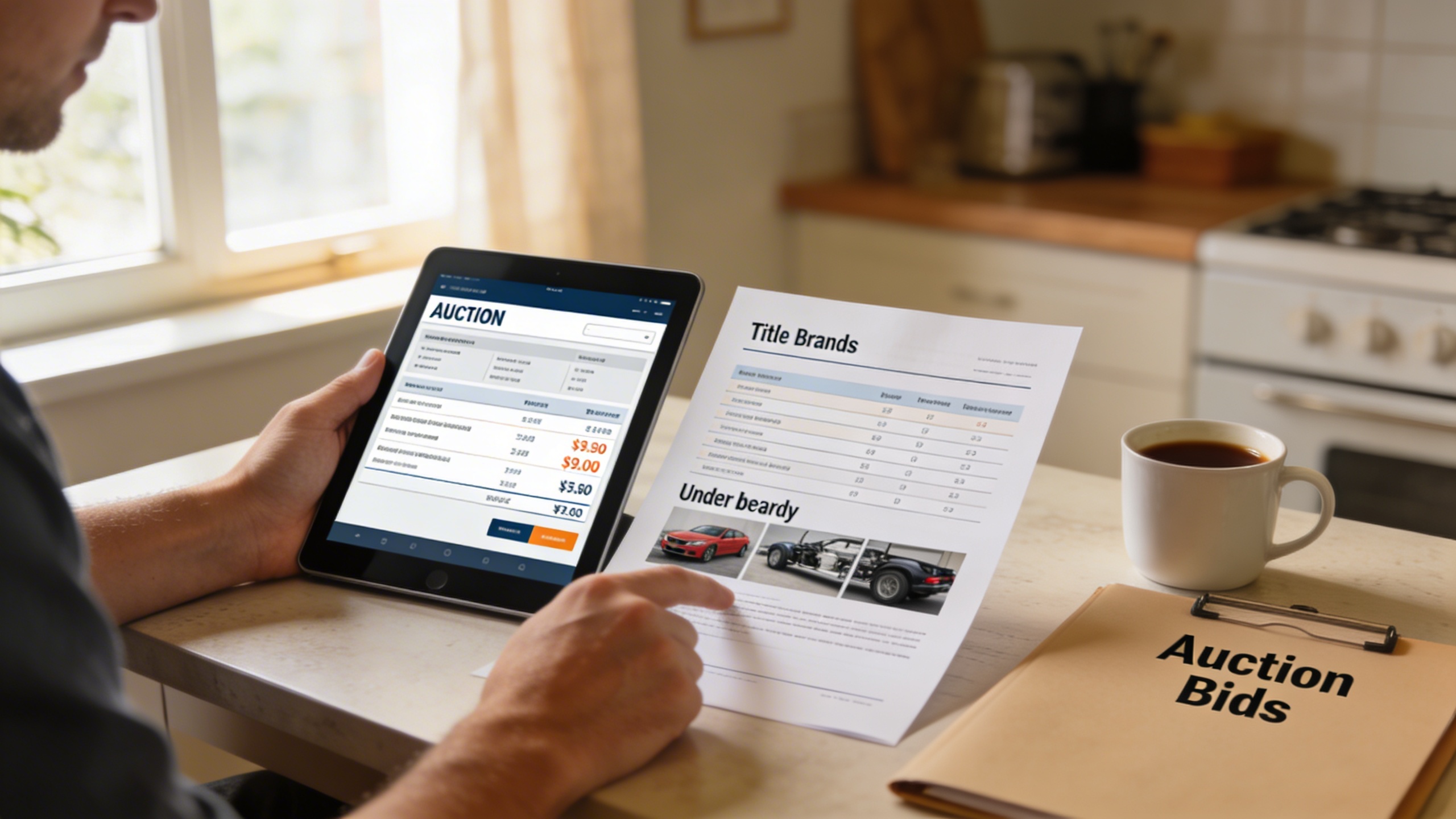
Buyer comparing transparent car pricing and auction listings on a tablet to identify best deals on used cars online and wholesale priced used cars

Step-by-Step: Your 20-Minute Inspection

Block out twenty focused minutes. You'll run four passes: paper, nose/eyes, touch/tools, then a short road test. Keep your phone ready for photos and a pocket notebook for notes. Small details add up.

Step 1: Decode the Title Trail (Before You Drive)

Run the VIN through NMVTIS (the National Motor Vehicle Title Information System). It's a federal clearinghouse pulling from DMVs, insurance carriers, and salvage yards. Cost is usually under ten bucks, and it flags branded titles—salvage, flood, rebuilt—across states. If you only do one thing, do this.

Next, grab a secondary report (Carfax or AutoCheck). You're looking for auction records, mileage jumps, and multi-state transfers in a short window—classic title washing. Example: New Jersey to Vermont to Florida in 60 days, then "clean" paper. That's suspicious.

  • Green light: Consistent mileage, no brand, service history in one region.
  • Yellow light: "Rebuilt" with clear repair invoices and photos.
  • Red light: Flood brand, missing repair docs, or rapid multi-state hops.

Step 2: Use Your Senses (Yes, Start with Your Nose)

Open all doors and the trunk. Close your eyes for five seconds and breathe. Musty, sweet, or earthy? That's trapped moisture and mold spores sitting in foam and headliners. Cleaners can mask it for a day or two, but the smell creeps back—especially when the sun bakes the interior.

Regional Damage Patterns

I've inspected cars in Florida salt air, Texas humidity, and California mountain dryness. Different regions in the USA leave different fingerprints. Gulf Coast trucks show crusty undercarriage bolts and powdery white corrosion on aluminum brackets. Midwest flood cars hide silt in spare-tire wells and behind trunk liners.

Scan for silt: brush your finger inside door seals, seat rails, and the spare-tire well. Silt feels grittier than regular dust and often holds tiny organic bits—leaf flecks, hair-thin reeds. Pop plastic trim by hand where you safely can (kick panels, trunk liners) and use a flashlight.

  • Green light: Dry carpets, clean metal brackets, even panel gaps.
  • Yellow light: New carpets in an older car (ask why), light surface rust on seat bolts.
  • Red light: Silt lines, mismatched trim, foggy lenses, or mildew odor.

Step 3: Quick Tools That Tell the Truth

Moisture meter: Press it into carpet padding near the firewall, under rear seats, and in the trunk. Anything over ~20% in a well-ventilated, dry climate is suspicious. Compare left/right to spot anomalies.

OBD-II scanner: Two minutes for a systems check. Beware of recently cleared codes (monitors not ready). Electrical gremlins—random communication errors, airbag lights that flicker—often trace back to flood damage.

"Don't gamble on 'it probably works.' Verify."

Step 4: Short Test Drive (Preferably in the Wet)

Start with every electrical switch—windows, locks, mirrors, seat heaters, HVAC modes. Toggle fast. Watch for lag or a relay clicking frenzy under the dash. With the HVAC on, sniff again. A wet-dog smell when the fan kicks in? Mold in the evaporator box.

Find a puddle or light rain, if possible. Drive through and listen. Water drip into the cabin on throttle or brake points to failed seals or hidden body damage. On the highway, track straightness and steering feel; welded frames and bent subframes often telegraph as a wandering lane dance.

Back from the drive, recheck the spare-tire well and door seals for fresh beads of water. Leaks reveal themselves under pressure and speed.

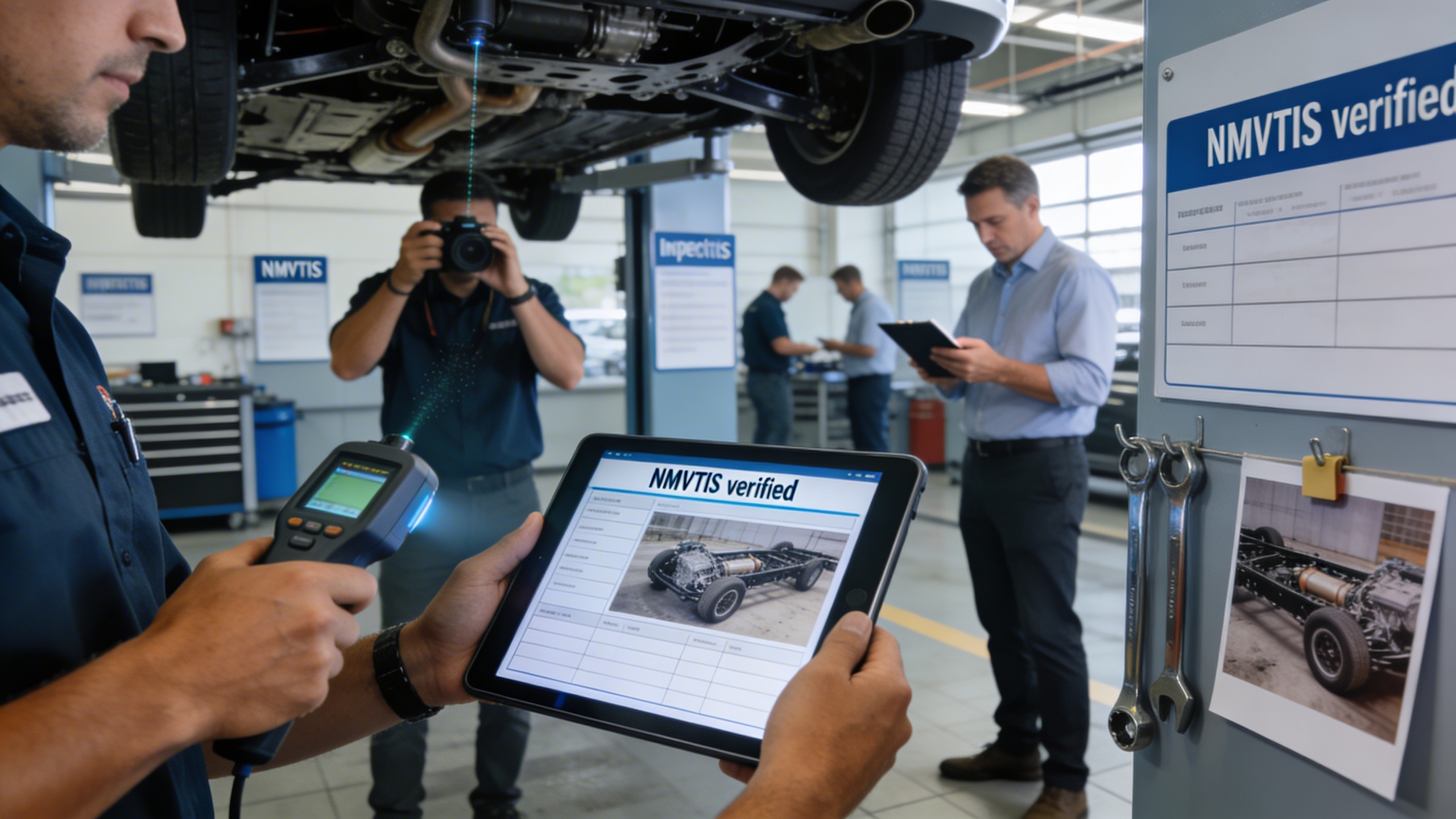
Dealership intake team performing NMVTIS checks and moisture scans to reduce buybacks and secure wholesale priced used cars

Buy Smart with Transparent Car Pricing and Car Auction Access

There's a reason many shoppers pivot to platforms with upfront disclosures and return protection. Transparent car pricing lets you see what the market is actually paying instead of haggling against a mystery number. When the listing includes title brand, prior auction notes, and underbody photos, you're negotiating with facts, not fog.

On VirtualCarHub.com, auction direct pricing exposes true wholesale dynamics—useful if your goal is to find underpriced used cars without wandering dealer lots all weekend. The kicker is the 500-mile or 7-day return policy: you can run your own inspection routine, commute a few days, even hit a local mechanic. If a hidden leak or electrical weirdness appears, you hand it back. No drama.

Smart Buying Tactics

Think tactics, not luck. Target models with cosmetic hits (bumper, fender) and clean electronics. Use saved searches for regions less prone to flooding. If you're in the Southeast or Gulf states, be extra strict this year; many flood cars drift north and west into states like Tennessee, Missouri, and Colorado after disasters in the USA.

Numbers That Matter (So You Don't Overpay)

  • Typical salvage discount at auction: 30–60% below street retail, but electronics-heavy damage erases the savings.
  • Annual buyer losses from undisclosed damage in the USA: billions—mostly from hidden flood and structural issues.
  • Inspection cost baseline: $150–$300 at an independent shop beats a $8,000 surprise.

My Personal Checklist (Save This)

  1. VIN to NMVTIS. Screenshot the result.
  2. Secondary history report. Flag jumps between states.
  3. Photo search of the VIN online—old listings, prior auctions.
  4. Senses pass: smell, silt, corrosion specks, lens fog.
  5. Moisture meter: firewall, rear bench, trunk/spare well.
  6. OBD-II scan. Verify monitors are ready.
  7. Electrical blitz: windows, locks, HVAC modes, lights, infotainment.
  8. Short drive in wet if possible. Recheck for new moisture.
  9. If buying online, schedule a shop check within the 7-day window.
  10. Walk if two or more red flags stack up.
"You don't need to be perfect. You need to be systematic."

Final nudge: chase value, not just price. With transparent pricing, car auction access for buyers, and a safety net like a 500-mile or 7-day return, you can land wholesale priced used cars without stepping on a flood-soaked rake. Stay curious, go slow, and let the car tell you the truth.