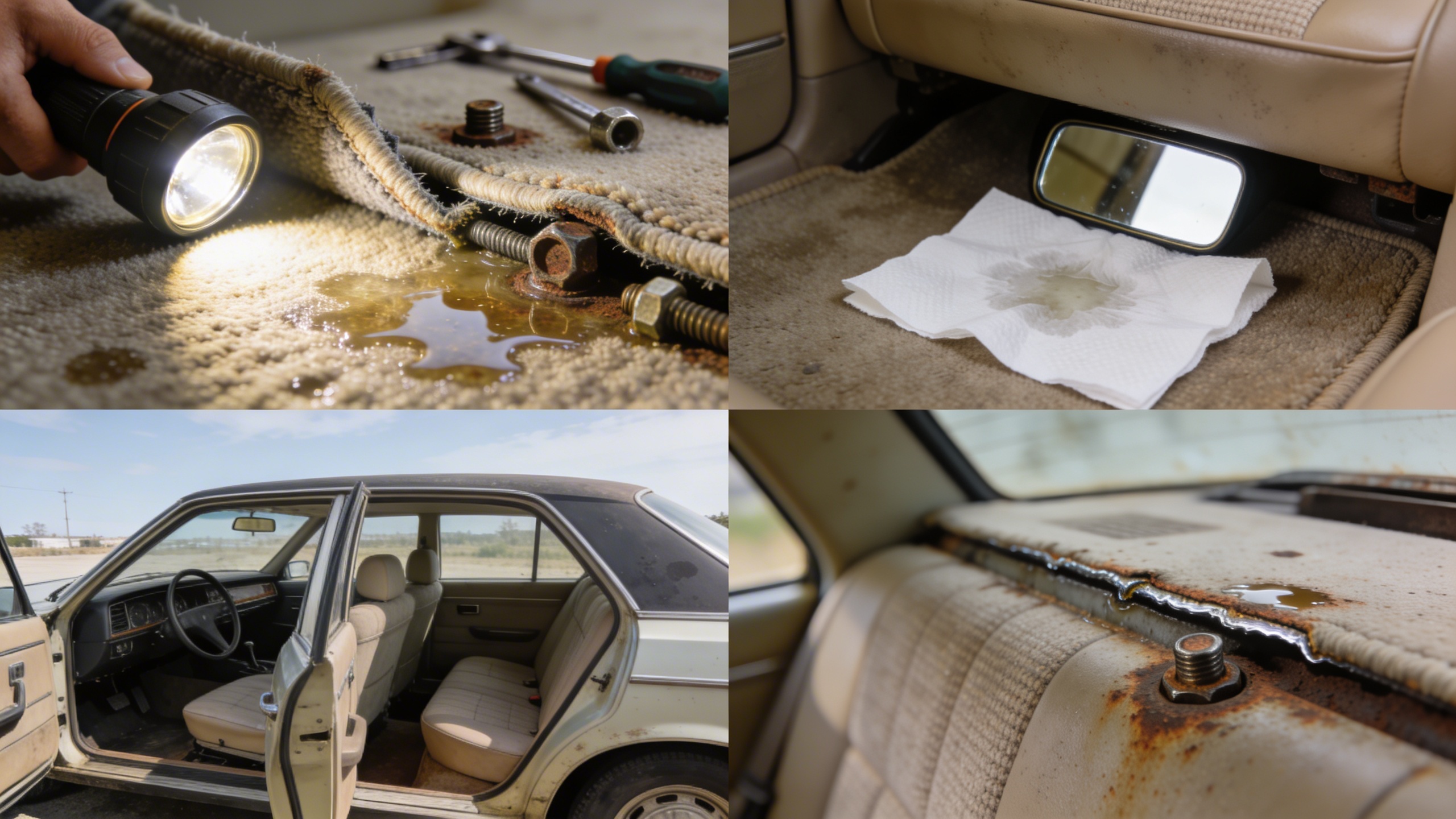
You don't need a lift bay or a decade in a dealership to avoid a nightmare car. You need a checklist, a nose for trouble, and the nerve to walk away. I've turned wrenches, crawled under salt-crusted frames, and argued with auction reps more times than I can count. Here's the straight, American-road version: how to catch flood or salvage damage before it empties your bank account — and how to use auction-direct pricing and a 500‑mile or 7‑day return window to keep take advantage of squarely on your side.
We're aiming squarely at the USA market because that's where storms and state title quirks collide. Hurricanes along the Gulf, river flooding in the Midwest, nor'easter fallout up the Atlantic. Different state DMVs, different brand rules, same risk: waterlogged cars with clean-looking paperwork. Let's beat that game.
Your First, Fast Filter for Hidden Damage
Before sniffing upholstery, attack the paperwork. Pull a full vehicle history report (Carfax, AutoCheck) and run the VIN through NMVTIS — the federal clearinghouse that catches a lot of title funny business. I cross-reference both, every time. Why? Because a "clean" state title can mask a flood or salvage history rewritten across state lines.
USA title branding isn't uniform. Florida, Texas, and Louisiana explicitly flag Flood Damage when insurers total a soaked vehicle. California tags Salvage when repairs exceed about three-quarters of the car's value. At the same time, a rebuilt title in one state can slip through as clean-looking in another if the paperwork took a scenic route. That's called title washing. And it happens — often after big storms.
Exact checks to run in five minutes
- VIN consistency: Door jamb, windshield, registration, and any service records. One mismatch? I'm out.
- Title brand search: Salvage, Rebuilt, Flood, Hail, Junk. Rebuilt isn't automatically bad, but it's a hard pass without meticulous documentation and a professional inspection.
- Timeline sanity check: Do service records abruptly stop, then resume in a different state post-storm season? Suspicious. Ask for body shop invoices.
- Seller story vs. data: "One-owner, garage-kept" better match mileage logs and inspection stamps.
Where auction-direct pricing fits
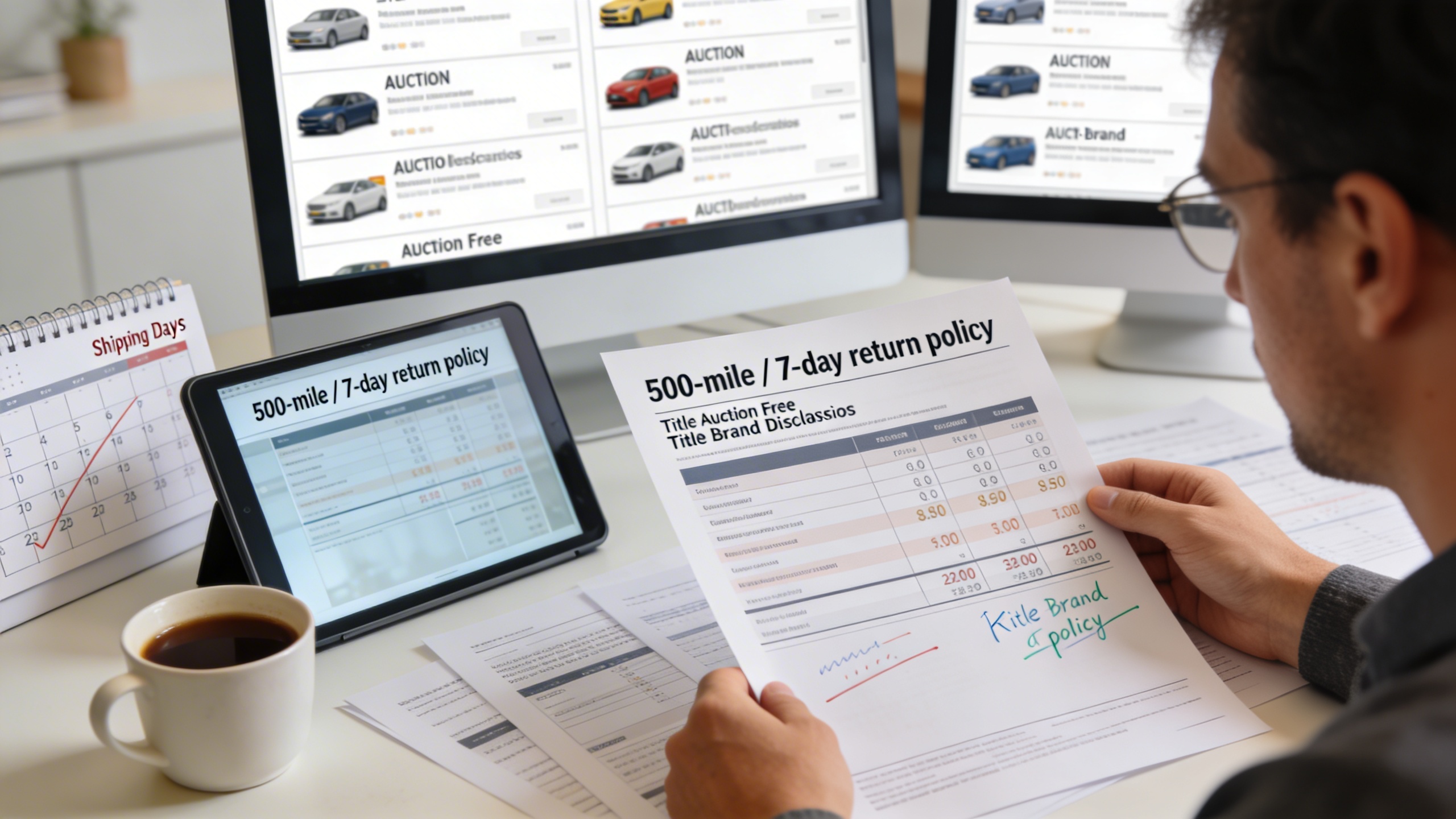
Auction platforms that actually disclose title status up front save hours. Example: VirtualCarHub.com lists title brands and VIN history in the lot details and lets buyers use auction-direct pricing without dealer markups. I've seen 20–40% below typical retail on clean-title units when you're patient, and the kicker — a 500‑mile or 7‑day return policy — gives real recourse if something doesn't match disclosures. That's take advantage of.