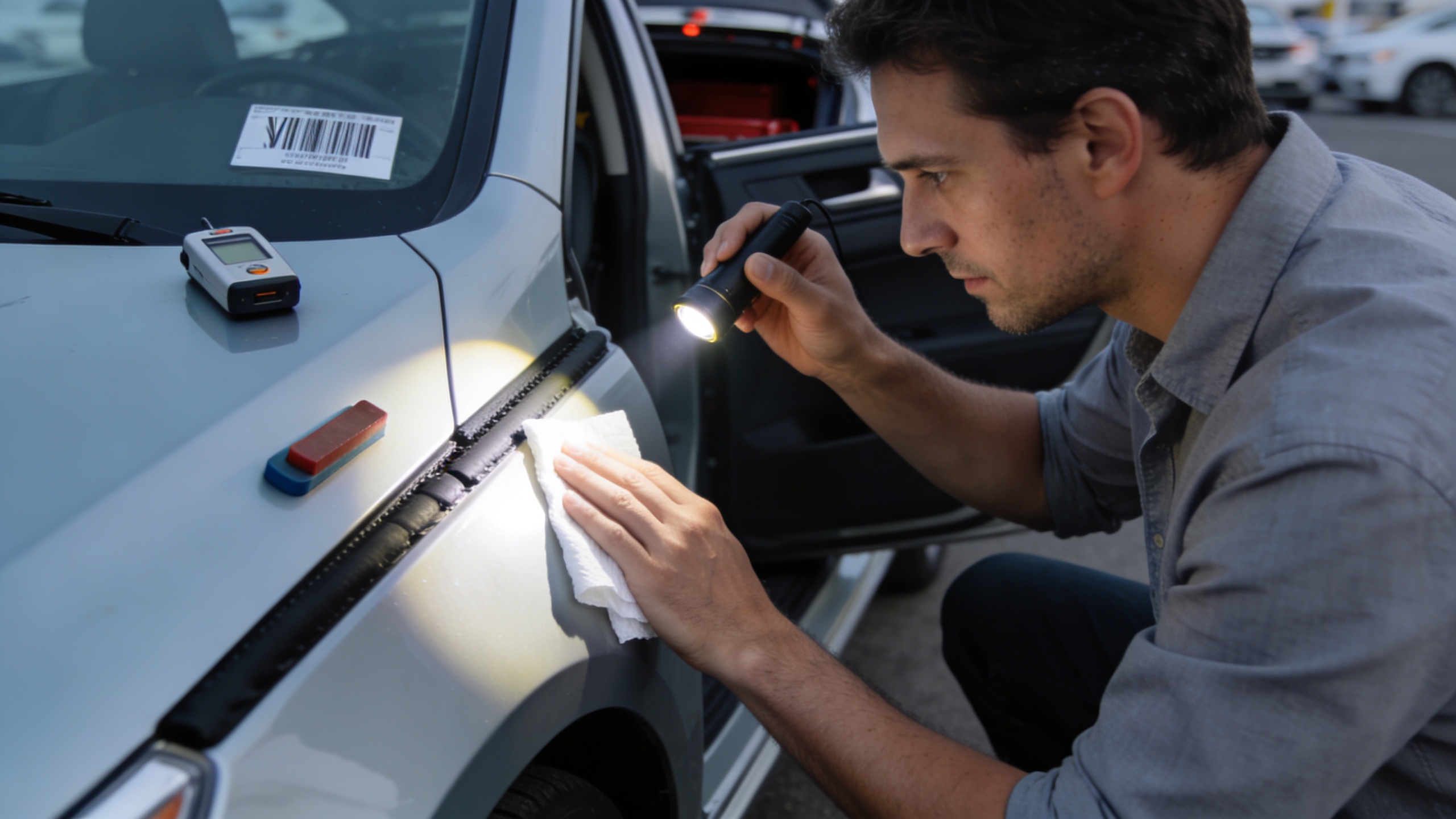
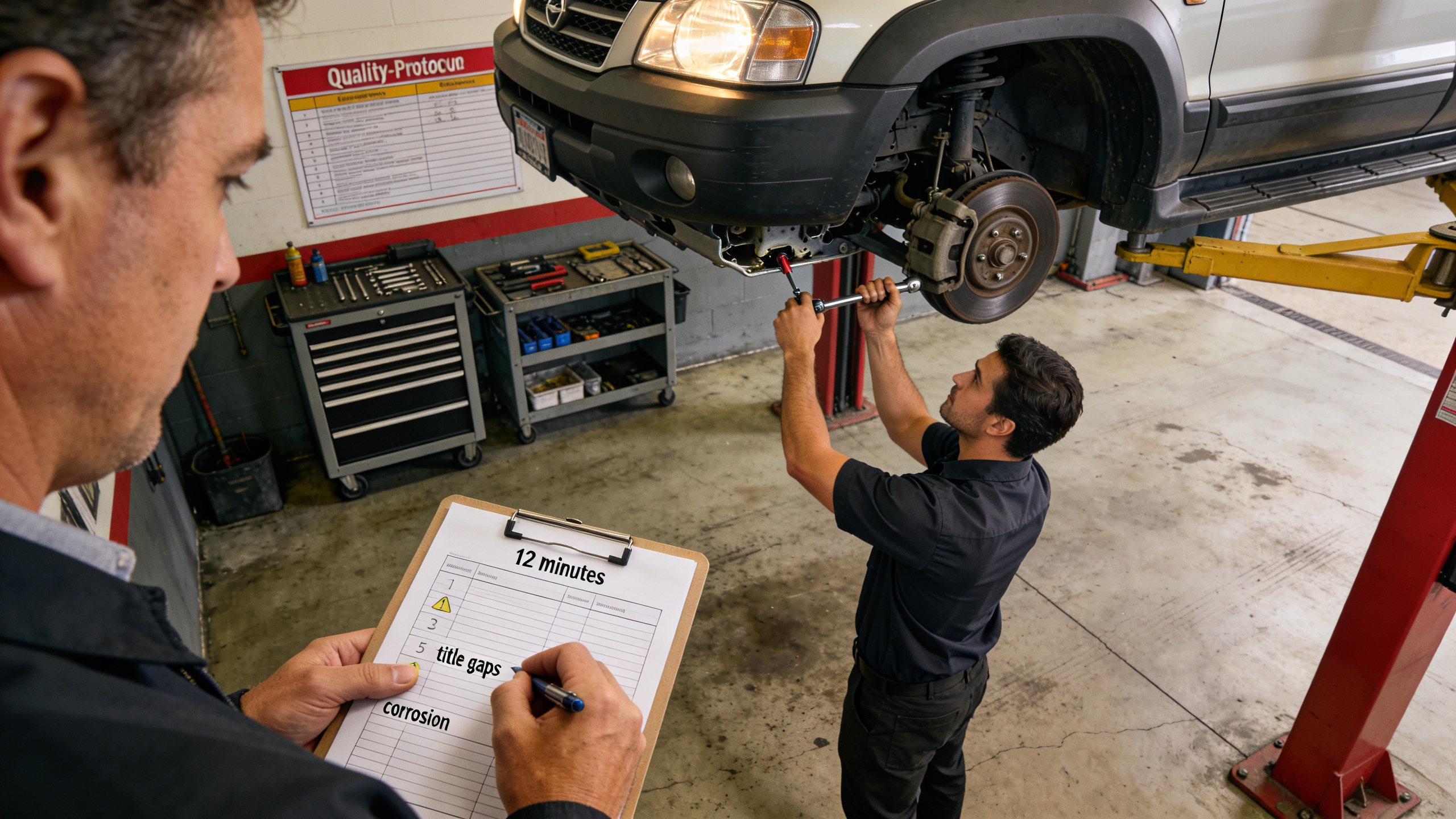
Let's get straight to it: flood and salvage issues hide in plain sight, and they're expensive when you miss them. The fix isn't magic. It's a checklist, a flashlight, and the nerve to walk away when the story doesn't add up.
I've spent Saturday mornings crawling under cars in grocery store parking lots and quiet dealership corners. Learned the hard way that a mint-looking SUV can carry saltwater in its seams and trouble in its title. You don't need to become a mechanic. You just need a routine and some stubborn curiosity.
This guide shows you exactly how to spot water or salvage damage before you buy, where the title games get played in the USA, and how to turn auction-direct pricing into an advantage without taking on dumb risk. I'll use clear steps, a few personal tricks, and the kind of red flags that ruin weekends if you ignore them.
One more thing before we dive in. Price matters, but condition matters more. Auction-direct deals can be brilliant—especially when there's a clear return window and transparent pricing—but only if you run the checks like your name's on the repair bill. Because it will be.
Print the steps, keep them in your glovebox, and make fewer expensive mistakes. That's the goal.