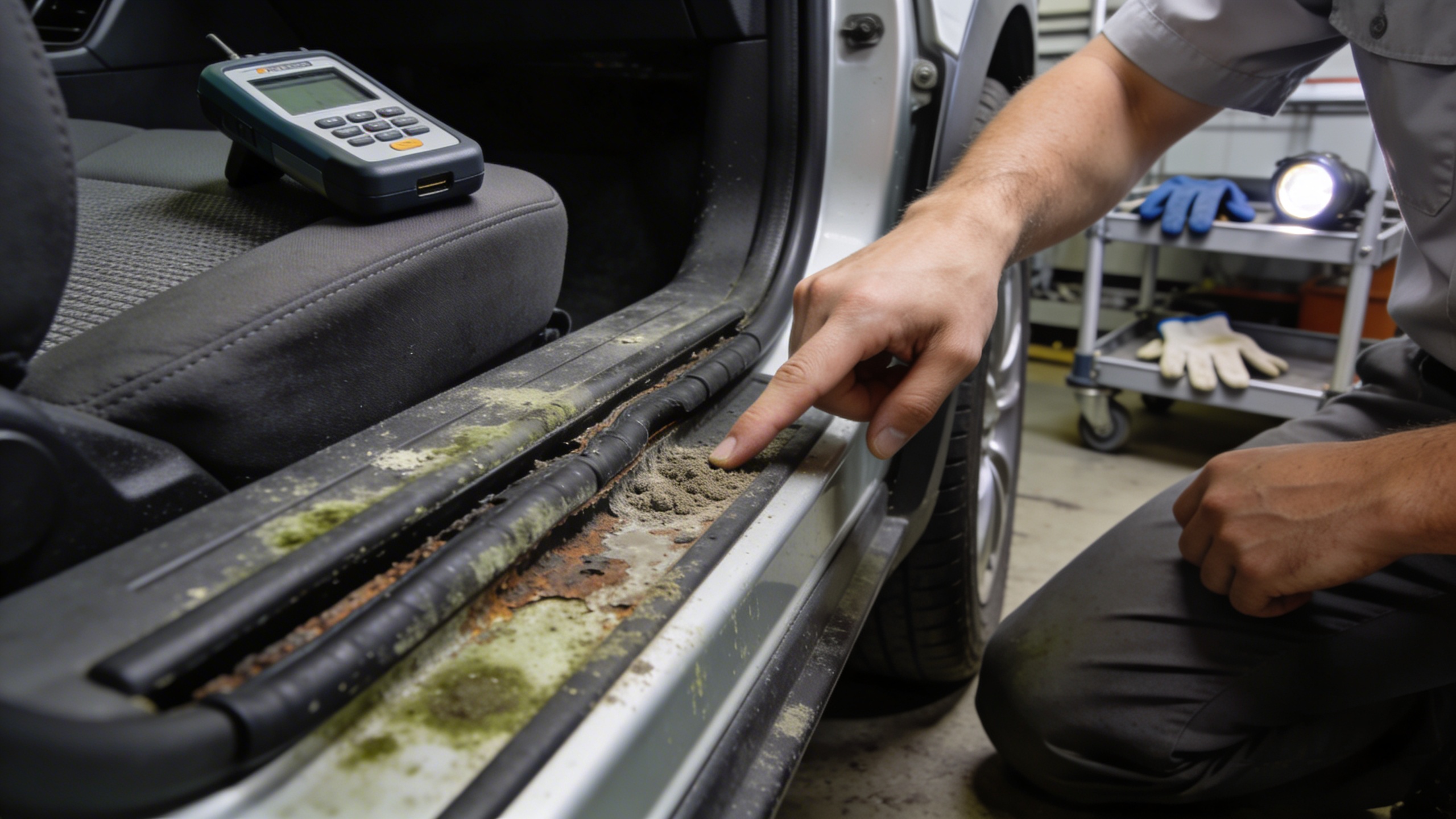
Auction cars can be terrific buys. They can also be the fastest way to overpay for someone else's disaster if you don't set rules before the bidding starts. I like auctions because they often offer undervalued used cars, especially when retail dealers are padding reconditioning and financing margins. But here's the thing: a low hammer price doesn't fix hidden damage. Your system has to protect you before emotion takes over.
If you're trying to buy auction cars without license access barriers, use a platform built for everyday buyers rather than assuming every wholesale lane works the same way. VirtualCarHub.com is a useful example because it gives retail buyers access to auction-style inventory, direct pricing, and the kind of listing transparency that matters when you're reviewing condition notes from home. That convenience is real. Still, convenience should never replace verification.
A simple auction workflow that keeps you out of trouble
My own process is pretty strict. I shortlist only vehicles with a clean VIN history or fully explained branded history, then I review every photo at full size, zooming in on seat rails, trunk seams, engine-bay fasteners, and the lower edges of interior trim. Next, I calculate my ceiling bid using expected transport, registration, insurance, inspection, and a repair reserve. If a car makes me say maybe, I pass. There will always be another car.
Pay close attention to transparent car pricing, not just the bid number. In the USA, a vehicle that looks $3,000 cheaper at auction can end up costing more than dealer retail after fees, shipping, and a missed defect. Read the buyer terms. Understand arbitration windows. Ask whether there's a return policy. A marketplace offering a 500-mile or 7-day return policy gives you a real post-purchase inspection window, and that changes the risk equation dramatically.
- Set a maximum bid before the auction begins and do not move it midstream.
- Favor listings with detailed condition reports, underbody photos, and 360-degree imaging.
- Budget for insurance in advance; some carriers charge much more for rebuilt-title vehicles.
- When the car arrives, inspect it immediately rather than waiting until the weekend.
- Use the return period aggressively if the title history or physical condition doesn't match the listing.
The Texas Truck Save
Mike Rivera, a Texas buyer in a flood-heavy market, avoided a massive repair bill by using a 7-day return after a mechanic found frame rust on an auction truck that looked fine in photos. That's exactly what buyer protection is for.
The return policy matters because hidden flood issues often reveal themselves fast if you know what to do. Drive the car long enough to heat-soak the electronics. Run the AC. Test the windows repeatedly. Look for fogging inside lamps, intermittent warning lights, backup camera glitches, and dampness after a rain or car wash.
Real-World USA Cases That Show What Can Go Wrong
Stories make this real in a way checklists can't. In North Carolina after Hurricane Helene, one buyer picked up a late-model Toyota SUV that seemed like a tidy deal at first glance. The cabin looked clean, the title appeared normal, and the vehicle drove well enough on the initial trip. Then the AC started blowing that swampy smell no air freshener can hide. A later history search pointed back to prior flood branding in another state. What looked clean on paper wasn't clean at all.
The lesson from that kind of case is simple: cosmetic cleanup is cheap. Proper remediation isn't. Replacing carpet, fogged lamps, and one or two modules may make a car presentable long enough to sell, but wiring corrosion keeps spreading. Connectors oxidize. Sensors fail. You start chasing phantom electrical faults, and suddenly the deal isn't a deal anymore.
"Small things stack up. They tell a story if you let them."
That's why I tell people to treat every suspicious inconsistency like a thread worth pulling. One new carpet clip. One corroded bolt under an otherwise spotless seat. One dashboard warning that disappears after the battery has been recently disconnected. Small things stack up. They tell a story if you let them.
The good news is that smart buyers still have an edge. Car auction access for buyers in USA markets is better than it used to be, and platforms built around consumer transparency have made wholesale inventory easier to reach. Pair that with a VIN check, a real inspection, and a 500-mile or 7-day return policy, and you can chase undervalued used cars without acting reckless. That's the sweet spot. Save money, yes. But only on a car you'll still trust a month from now.