Car Title Transfer

Practical Paperwork Guide + First-Time Buyer Playbook

AUTOMOTIVE INSIDER | 2025

You found the right car. Price makes sense. Test-drive felt good. Now comes the part that slows first-timers to a crawl: the title transfer. This isn't just paperwork—it's the legal handoff that makes the car yours in the eyes of your state and the lender and your insurer.

I've walked dozens of friends through this, from Manhattan co-op garages to dusty Texas driveways. The rhythm's predictable when you know it. Miss a beat—say, a smudged odometer or a missing lien release—and the DMV will send you home. That's a day lost. Maybe more.

"Miss a beat—say, a smudged odometer or a missing lien release—and the DMV will send you home."

This guide is built for the USA, where the framework is standardized but every state adds its own flavor. You'll get exact steps, traps to avoid, and a first-time buyer playbook so you don't overspend on fees or end up chasing a seller for a signature at 7 p.m. on a Tuesday (been there).

With over 17 million used sales changing hands each year and title fraud cases climbing in 2025, you can't wing it. Do the boring parts right once and you'll never dread the DMV again. And yes, we'll talk about skipping the dealership entirely and getting car delivery to home—you've got options now in the USA that didn't exist five years ago.

Here's the fast, field-tested path to a clean title transfer plus everything a first-timer needs from search to keys.

Start with the seller's title in hand, then verify the VIN and mileage, then line up insurance and taxes. Think of it as a relay race—each document passes the baton to the next. Stay neat, sign where required, and keep a folder. Old-school works.

One more thing before we dive in: take five minutes for a VIN history check. I've seen that tiny pause save buyers from hidden liens and flooded SUVs more times than I can count.

Alright—let's make it official.
The Fast Path: Step-by-Step Transfer

This is the eight-step flow I use with first-time buyers. It tracks what state DMVs expect across the USA while leaving room for state quirks like notarization or emissions slips.

1. Get the seller's signed title—complete and legible

On the title's assignment section, the seller fills in your name, the sale date, the odometer reading, and their signature. Some states want both buyer and seller signatures. If you're in a notarization state (Florida is the classic example), get the notary stamp on the spot. No, you can't add it later without hassle.

Quick check: The VIN on the title must match the VIN plate on the car and the door jamb sticker. If anything's off by a character, stop and ask for a corrected title. Typos create month-long purgatory.

2. Write a real bill of sale—not a napkin note

Many states offer a simple form. Use it. Include price, VIN, year, make, model, your info, seller info, and sale date. Done cleanly, it settles tax questions and backs you up if the title gets slow-walked.

Context: The average used sale price hit around $28,300 in late 2025, according to major pricing guides. If your deal looks wildly below market, expect extra scrutiny from tax offices.

3. Line up proof of insurance before you hit the counter

Some states won't let you register without active coverage that meets minimums (think liability like 25/50/25 in places like California). Call your insurer in the parking lot if needed—they can issue electronic proof in minutes.

Pre-checks that prevent pain

  • Run NMVTIS or a trusted history tool to confirm no salvage, flood, or theft brands. Title fraud has been rising, especially with online sales.
  • Match names: seller's ID should match the name on the title. If it doesn't, ask for the chain of documents (e.g., dealer reassignment).
  • Photograph the title before you hand it over to the DMV. If the mail loses it, your copy saves hours.

4. Calculate taxes and fees—don't guess

Sales tax rates vary by state and locality, but the national average hovers in the mid‑6% range. Title fees usually run $15–$100, and registration has its own scale. Use your state's DMV calculator. Round up and bring a debit card or check; some counters still hate credit.

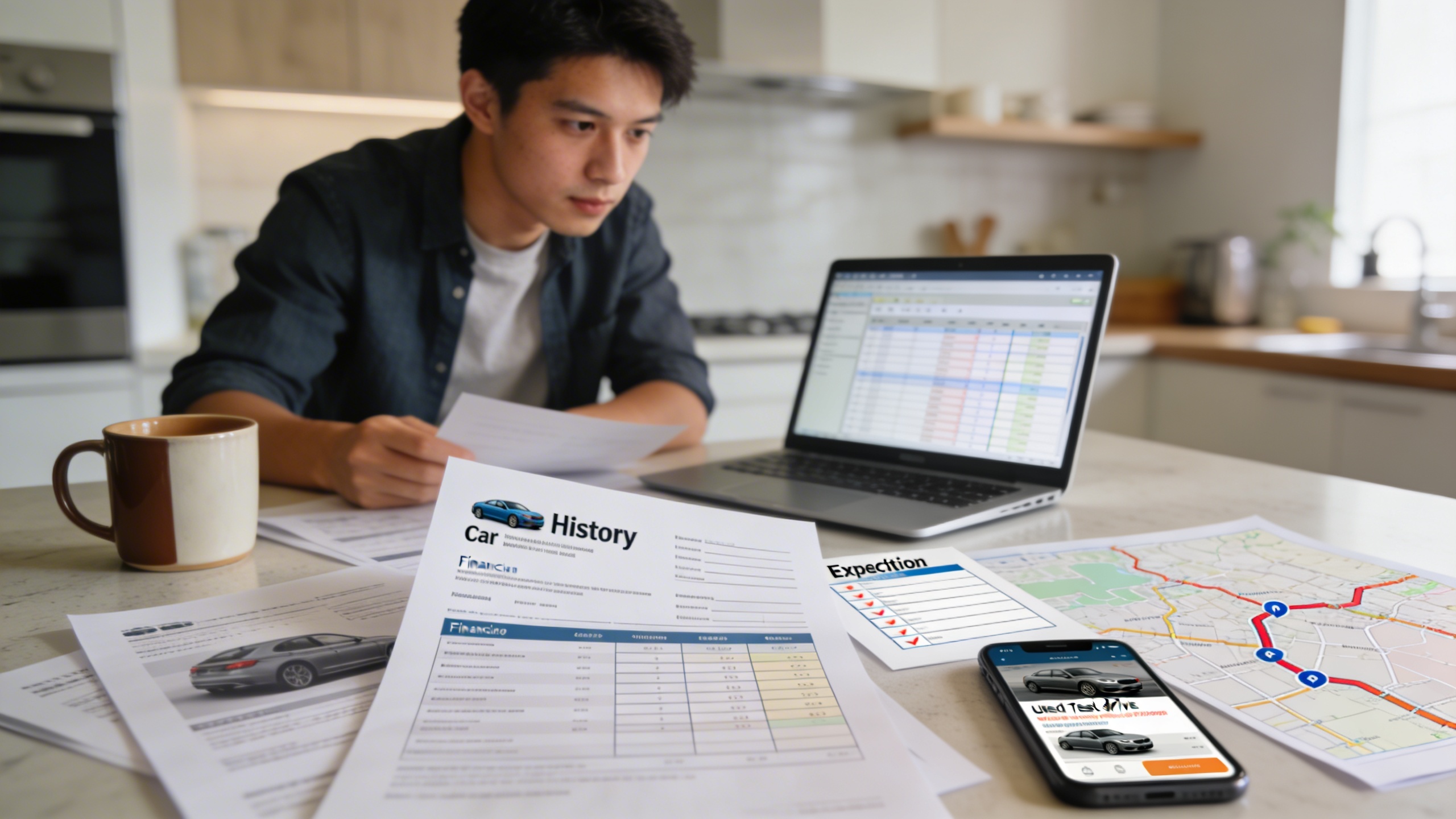
Young buyer reviewing car history reports and financing spreadsheet at home before picking up keys, illustrating how to avoid dealer fees and skip the dealership car buying

First-Time Buyer Playbook

Buying your first car in the USA is part spreadsheet, part gut check. Here's the flow I teach so you don't get tripped up by surprise fees, sketchy titles, or financing that bloats the monthly payment.

1) Pre-purchase: protect yourself before the test-drive glow fades

  • Run a history report and actually read the title brands. "Rebuilt," "Flood," or "Lemon" changes value and insurability.
  • Get a pre-purchase inspection. A $150 check can reveal frame damage or battery degradation in EVs—negotiation gold or a signal to walk.
  • Test-drive with a route that hits highway speeds, a hill if possible, and a parking lot for tight turns. Listen for clunks and whines. Bring someone who loves suspicious noises.

Personal tip: Ask the seller to meet near their bank. If it's a private party sale, you can verify cashier's checks or wire on the spot and, if needed, get paperwork notarized two doors down.

"Take five minutes for a VIN history check. I've seen that tiny pause save buyers from hidden liens and flooded SUVs more times than I can count."

2) Financing: set the money before you fall in love

  • Get prequalified with a credit union and one online lender. Compare the APR and total loan cost, not just the monthly number.
  • Avoid long terms that outlast the car's happy years. Sixty months is a ceiling for most used buys.
  • Mind insurance premiums—some models spike your rate. Ask your carrier for a quote on the VIN you're considering.

If you're curious about Carvana vs wholesale buying, here's the quick read: platforms make the closing process smooth and often handle title work, while true wholesale channels (auctions via a broker) can save money but require comfort with as-is vehicles and tighter timelines. First-timers usually prefer transparency over rock-bottom pricing—and that's okay.

3) Closing: title, taxes, temp tags

  • Meet where documents can be copied and notarized if your state needs it.
  • Confirm lien status in writing. If the seller says "loan's paid," ask for the lien release letter or an electronic release confirmation. Trust, but verify.
  • Take possession of both keys, charger (for EVs), owner's manual, and service records. Missing second keys are a negotiating lever—replacements can run $200–$450.

Want to skip the dealership car buying grind? Services like VirtualCarHub.com coordinate inspections, remote paperwork, and even car delivery to home in the USA, which can keep you out of finance office pressure and help you avoid miscellaneous doc fees.

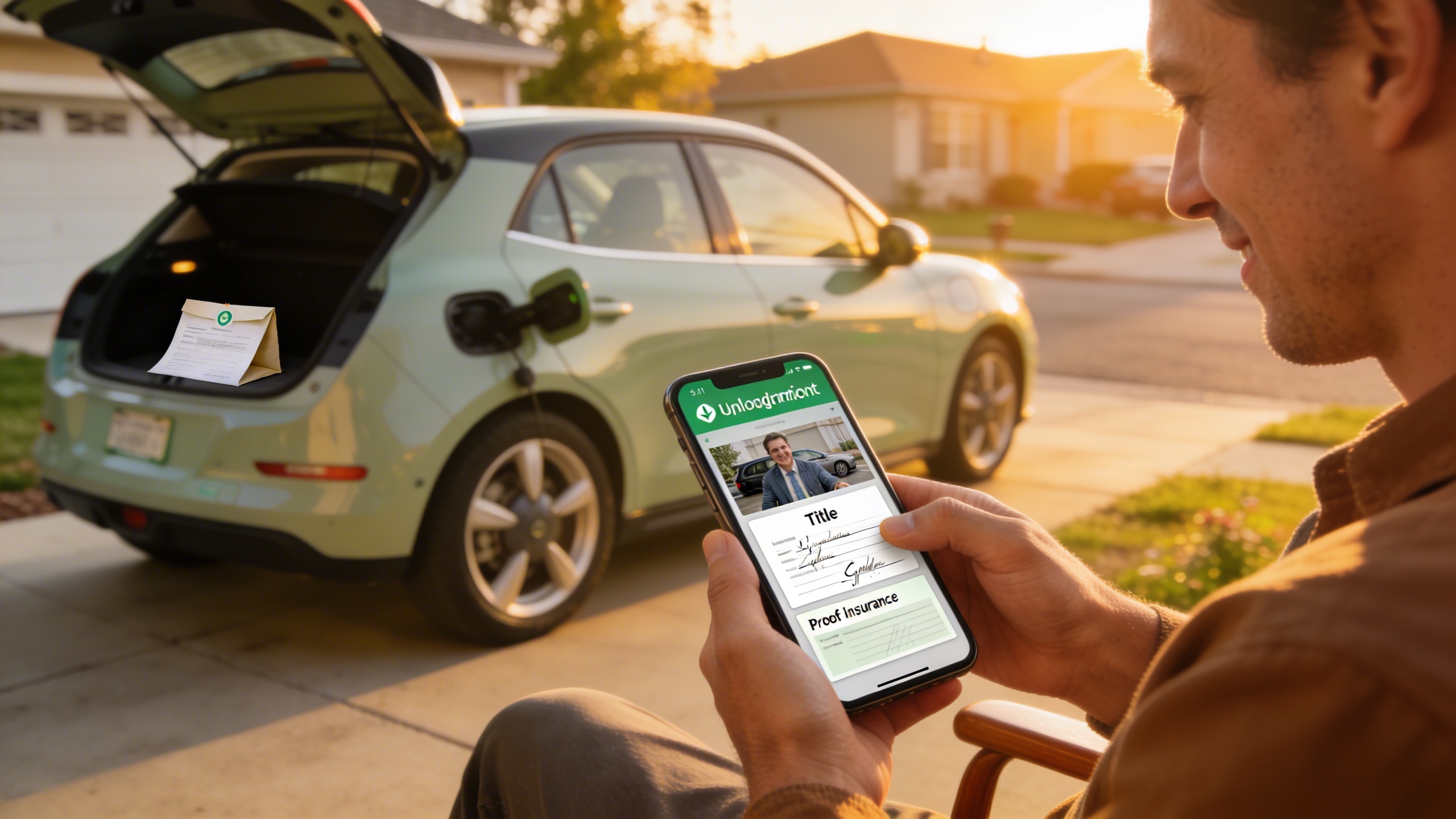
Buyer uploading signed title and insurance photos from home after purchasing an EV, demonstrating car delivery to home and how to buy a car without a dealership

4) Post-purchase: finish strong

  • Update your insurance within 24 hours—faster, if you drove it home. Some carriers give a short grace period; don't gamble.
  • Register and title within your state's window (often 30 days). Late fees add up, and you can be ticketed.
  • Scan and save everything: digital folder with title copy, bill of sale, inspection results. Future you will say thanks.

How to avoid dealer fees when buying a car

  • Ask for an out-the-door price quote before you visit—or before the home delivery truck rolls. If they won't provide it, that's your sign.
  • Decline add-ons you didn't request: paint sealants, VIN etching, nitrogen, door edge guards. Half of these arrive pre-installed; negotiate their removal or a price credit.
  • Pay attention to the "doc fee." In some states it's capped; in others it balloons. You can't always kill it—but you can request a price offset.

Pro move: If you're buying remotely with car delivery to home in USA markets, ask who's titling the vehicle and where taxes are assessed. Multi-state transactions can mis-apply tax unless you confirm your home county up front.

Regional Realities: State Rules and USA Trends

Title laws rhyme across the USA, but they don't sing the same melody. A few regional beats to keep you out of trouble:

Northeast: New York and neighboring states push strong emissions standards and tighter transfer windows—often 30 days. If you're buying in winter, plan inspections around salt and snow.

South: Georgia and several southern states offer gift affidavits for family transfers. Florida is notorious for requiring notarized titles on many transactions, and coastal counties look extra hard at flood brands after storms.

Midwest: Expect winter backlog to shrink by spring. Some counties in Illinois and Michigan process titles faster online than across the counter—yes, really.

West: Washington and Arizona lean into electronic liens and e-titles. California's online system is strong, but smog is the gatekeeper—no certificate, no registration.

Real Dealership Results

A Phoenix buyer snagged a used EV from a private seller on a Sunday afternoon, then realized Arizona's e‑title system could process the transfer without a Monday DMV dash. They uploaded the signed title shots, proof of insurance, and paid fees online. Forty-eight hours later: registration confirmed, plates on the way. Clean. Calm. No lunch-hour line.

Another case: a Miami shopper flirted with a suspiciously cheap German sedan. A quick history pull showed a salvage brand recycled as clean in another state. They walked. That five-minute check saved them a rebuilt suspension and an insurance headache.

What to do this week if you're buying soon

  1. Download your state's title transfer checklist.
  2. Get prequalified with two lenders and screenshot the approvals.
  3. Set a calendar reminder for an inspection appointment the day before you shop.
  4. Create a "Car Docs" folder in your notes app and add a shot of your license and insurance card.

When the right car appears, you'll be able to say yes with a clear head—and a clean title.

"Do the boring parts right once and you'll never dread the DMV again."