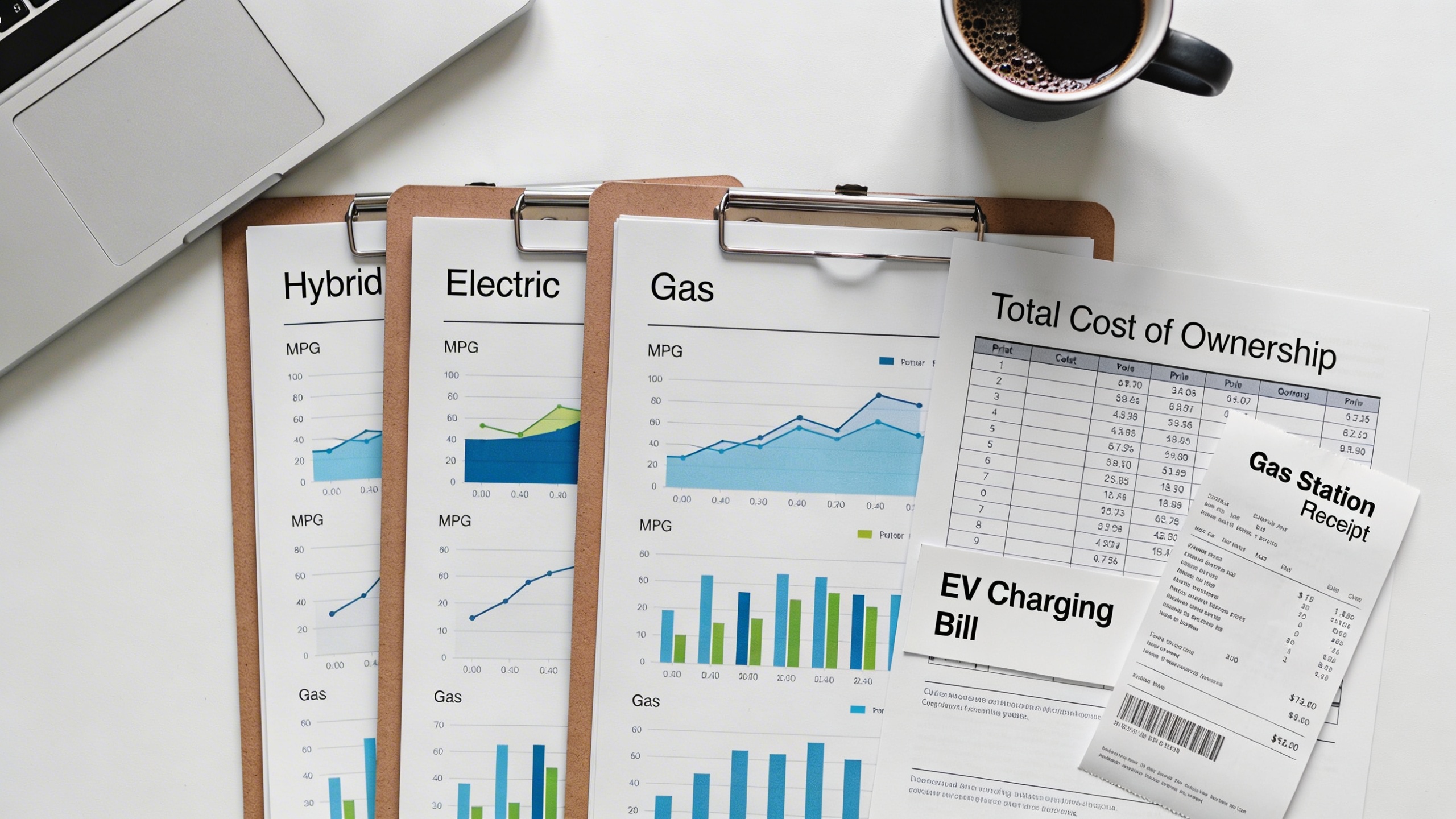
Sticker shock is real. You're not imagining it. New-vehicle prices climbed over the last few years, and online listings often include add-ons, scarce-inventory premiums, and doc fees that balloon totals. So why are online car prices so high? Partly supply chains and interest rates, partly dealers protecting margins in a tight market, and partly the convenience premium you pay to transact from your couch.
There's a workaround that used to be insider-only: car auction access for buyers in USA. When retail channels tack on layers of markup, tapping wholesale lanes—either through a licensed intermediary or a marketplace that bridges consumers to dealer auctions—can surface cleaner pricing. You still want inspections, title checks, and transport quotes, but the core math improves. It's not just bargain hunting; it's cost-of-ownership engineering.
Can you buy a car online without salespeople? Increasingly, yes. Platforms now let you select, finance, and arrange car delivery to home without meeting a traditional sales desk. VirtualCarHub.com, for example, pairs retail shoppers with curated auction inventory and fixed-fee sourcing, then schedules delivery to your driveway. The draw isn't gimmickry. It's transparency—VIN-first, fee-light, and no pressure to upsell warranties you don't want.
A Practical Selection Framework
- No home charging and frequent cold snaps below 25°F? Lean hybrid.
- Home Level 2 charging and under 200 miles most days? EV will feel effortless.
- Long highway runs, towing, or budget ceiling under $30k? Gas still fits.
- Apartment living with inconsistent charging but strong city miles? Consider a hybrid now; revisit EVs when your housing changes.
- Live in California, Oregon, or parts of the Northeast with dense chargers and incentives? EV calculus improves; shop widely for pricing.
That model matters for powertrain decisions. If you're chasing a hybrid SUV that's scarce in your metro, auction sourcing widens the search radius across states and trims local scarcity premiums. If you're shopping EVs, you can compare battery warranties and DC fast-charging histories across dozens of units, not just the three on a local lot. And if you simply want to know how to buy a car without inventory markup, getting beyond the retail showroom is often the cleanest answer.
Don't dismiss plug‑in hybrids (PHEVs). In Texas fleet tests, PHEVs cut fuel costs dramatically while preserving road-trip range. They reward routine charging with electric miles yet never strand you on holiday weekends. For many suburban families, that's the sweet spot—electric for errands, gas for the mountains.
Real Dealership Results
Real-world stress tests tell the truth faster than spec sheets. In Detroit-area winter trials, electric pickups saw steep range losses when temps plunged, while a hybrid half-ton completed the same loop without drama. On the West Coast, ride-hail drivers switching from gas sedans to hybrid crossovers reported thousands in annual savings thanks to 40+ mpg and less downtime. The pattern repeats across the USA: when infrastructure or weather throws curveballs, hybrids stay boring—in the best way.
But EVs still make thousands of households grin daily. City dwellers with home chargers treat fueling as an afterthought. The quiet cabin, instant torque, and lower per-mile cost rewire expectations. You stop thinking in gallons. You think in miles per overnight. When the use case aligns, it's addictive.
"Pick the tool that fits the job—and keep your weekends for living, not fueling logistics."
Environmental math, without the slogans
Hybrids typically trim tailpipe CO2 around a third versus comparable gas models. EVs, when charged on an average U.S. grid, can cut lifecycle emissions roughly by half or better, with steeper gains where the grid is clean. Rural co-ops still leaning on coal narrow that advantage, but time is on the EV side as utilities decarbonize. If climate impact sits high on your list, chart your local grid mix, not a national average.
So what should you buy? Use the framework, count the dollars, stress-test the routine. If your home and routes welcome an EV, you'll likely love it. If your life is messy, weather is harsh, or charging is uncertain, a hybrid is the hassle-free upgrade. If your budget is tight or your truck works for a living, gas still earns its keep. Pick the tool that fits the job—and keep your weekends for living, not fueling logistics.