Buying a car is only the opening move. What follows—insurance, maintenance, fuel, taxes, depreciation—determines whether a vehicle becomes a manageable asset or a persistent drain on household finances. In the USA, where geography, state regulation and fuel markets vary wildly, understanding total cost of ownership is essential to both short-term budgeting and long-term wealth planning.
When shoppers ask for the out the door price car in USA they typically mean the one-time transaction number that includes fees, taxes and any dealer add-ons. That figure is critical; yet it obscures recurring and variable expenses that dwarf purchase costs over time. Think of the sticker price as the downbeat; the full composition plays out across years.
Consider a mid-size sedan bought for $30,000 with an out-the-door cost of $31,500 after sales tax and registration in a midwestern state. That payment gets you ownership, but not the inevitable: oil changes, brakes, insurance renewals, and depreciation. Those line items accumulate—fast.
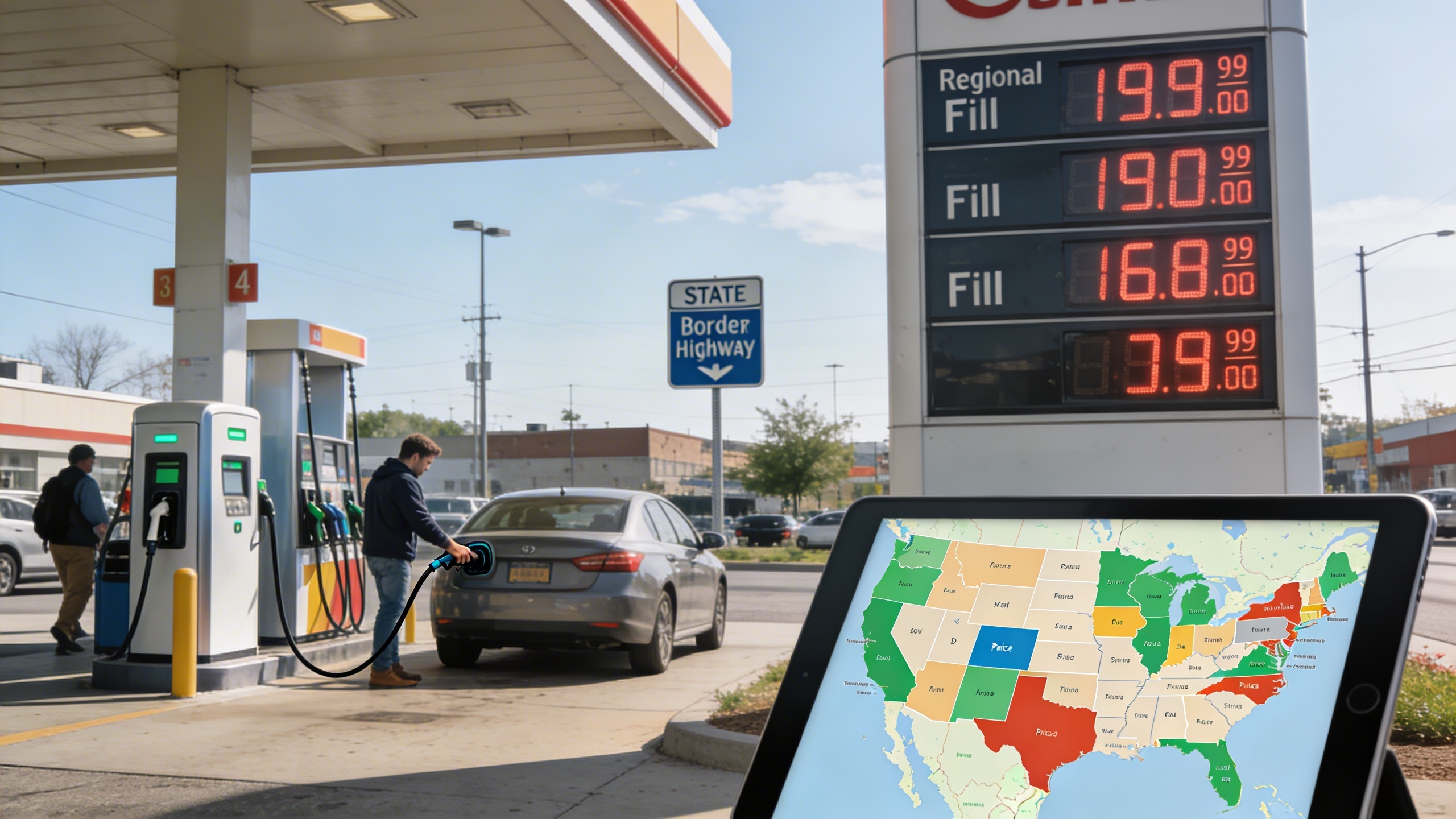
Regional differences in the USA change the numbers materially. For example, insurance premiums in Florida or Michigan can be two to three times higher than in states with less-litigious environments. State sales taxes and registration fees range from zero in states like Delaware to over 9% in parts of the country, and that directly inflates the out-the-door cost figure.