How to Transfer a Car Title

A First-Time Car Buyer's Complete Paperwork Guide

FIRST-TIME BUYER EDITION — JULY 2026

Before You Buy

Buying your first car feels thrilling right up until someone slides a stack of forms across the desk. Then the whole thing can turn strangely quiet. Title, registration, lien release, odometer disclosure, temporary tag, insurance binder — it sounds like a language invented by a county clerk with no patience for beginners.

Here is the plain truth: the paperwork is not hard if you treat it like a sequence instead of a mystery. This guide walks first-time buyers in the USA through the title transfer process, whether you are buying from a franchise dealership, an independent used-car lot, a private seller, or a digital retailer offering car delivery to home.

Cars Online, Budgets, and the Paper Trail

The best paperwork move happens before you fall in love with the car. I have watched buyers do everything right on price and everything wrong on documents. They negotiate hard, get the monthly payment they wanted, then discover the seller still has a lien, the title is branded, or the registration is months out of date. Painful. Avoidable.

"Paper remembers what paint hides."

Start by building your budget around the out-the-door cost, not the advertised price. That means vehicle price, sales tax, title fee, registration, documentation fee, inspection cost, insurance, shipping if you are buying remotely, and any lender fees. A used SUV listed at $18,900 can become a $21,000 purchase surprisingly fast, especially in states with higher local taxes or stricter inspection rules.

Step 1: Verify the vehicle before money changes hands

Run the VIN through a reputable history report and, when possible, check the National Motor Vehicle Title Information System. You are looking for title brands such as salvage, flood, rebuilt, lemon, or odometer discrepancy. A clean-looking sedan in Phoenix may have lived through a Gulf Coast flood two years earlier. If you want to dig deeper, our guide on how to spot flood or salvage damage walks through the red flags step by step.

  1. Match the VIN on the dashboard, door jamb, title, and bill of sale.
  2. Ask whether there is an active lien and who holds it.
  3. Review the title brand section carefully, not casually.
  4. Confirm the seller name matches the title owner.
  5. Get an insurance quote before you commit.

For cars online, this step matters even more because you may not touch the vehicle until delivery day. Marketplaces, online dealers, and companies like Carvana made remote buying feel normal, but normal is not the same as risk-free. Ask for copies of title documents, inspection reports, return policy terms, and registration handling procedures before you sign.

Step 2: Know who handles the paperwork

A licensed dealer usually collects taxes and registration fees, then submits title work to the state motor vehicle agency. A private-party sale puts more work on you. That is not bad, just less forgiving. Miss a signature or forget an odometer statement, and you may spend your lunch break standing under fluorescent lights at the DMV, wondering why nobody warned you.

  • Dealer purchase: ask for a buyer's order, retail installment contract if financed, odometer disclosure, temporary tag, and title application receipt.
  • Private sale: require the original title, bill of sale, lien release if needed, seller signature, buyer signature, and current odometer reading.
  • Online purchase: confirm delivery timing, registration support, tax collection, and what happens if title documents arrive late.

VirtualCarHub.com often sees first-time buyers underestimate timing. A car can arrive in three days, while title paperwork may depend on lender payoff speed, state processing windows, courier delays, and whether the seller signed in the correct box. Boring details. Big consequences.
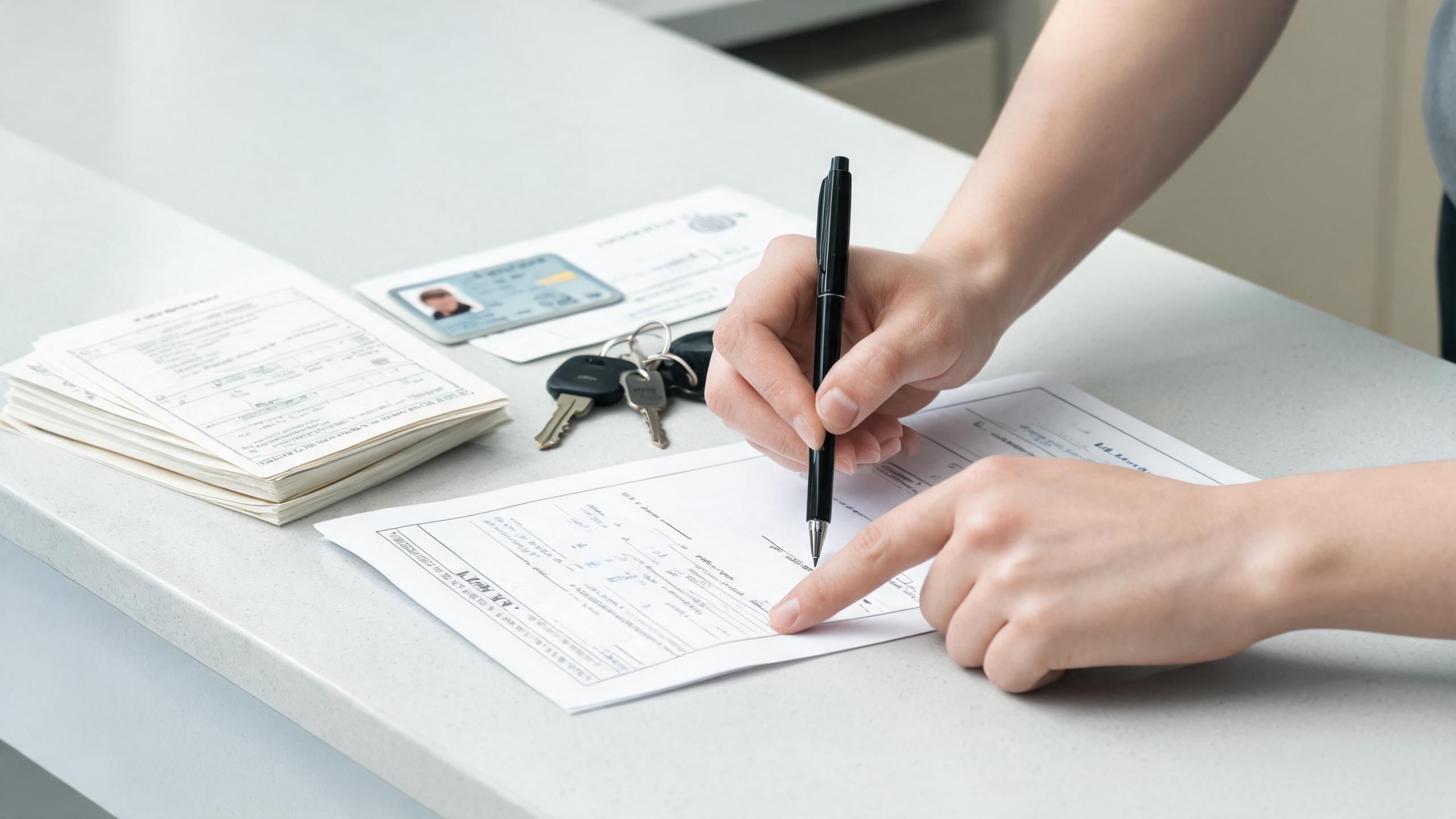

Hands complete car title transfer paperwork with keys and forms for a careful skip the dealership car buying process.

Step-by-Step Paperwork

A car title is not a ceremonial document; it is the legal handoff of ownership, and sloppy paperwork can turn a great deal into a month-long headache. Every state has its own forms and fees, but the bones of the process look familiar across the USA.

Step 1: Get the original title and inspect it

Do not accept a photocopy as proof of ownership in a private sale. The original title should show the vehicle identification number, year, make, model, current owner, lienholder if any, and title brand. If the title says there is a lien, the seller must provide a lien release or payoff instructions from the lender. No release, no clean transfer.

  1. Check for erasures, whiteout, crossed-out names, or mismatched ink.
  2. Make sure every owner listed signs. If the title says John and Maria, both may need to sign.
  3. Use the legal names from driver's licenses, not nicknames.
  4. Enter the purchase price accurately. States can audit suspiciously low values.
  5. Record mileage exactly as shown on the odometer.

Federal odometer rules generally require disclosure for vehicles less than 20 model years old. Odometer fraud is not some dusty old scam from the classified-ad era; it still happens, especially when high-mileage vehicles get washed through auctions or weak paperwork chains. If the mileage on the title, dashboard, and vehicle history report do not make sense, slow down.

"The cheapest car is expensive if you cannot title it."

Step 2: Complete the bill of sale and state forms

The bill of sale is your purchase receipt. Some states require it, some merely recommend it, but you should create one either way. Include the buyer and seller names, addresses, VIN, year, make, model, mileage, sale price, sale date, and signatures. Keep a digital copy and a paper copy. Yes, both. Phones die at the worst possible time.

State-by-State Quick Notes

  • California: buyers may need smog certification unless an exemption applies.
  • Texas: charges a 6.25% motor vehicle sales tax and uses county tax offices.
  • Florida: applies 6% state sales tax, with local surtax rules affecting the total.
  • New York: expect title, registration, inspection, and insurance proof before plates.

After signatures are complete, submit the title application, pay taxes and fees, and register the vehicle within your state's deadline. Many states expect this within roughly 10 to 30 days. Wait too long and penalties can pile up. Worse, if you are in an accident before the transfer is finished, ownership and insurance questions get ugly fast. For a printable walkthrough, see our practical paperwork guide and first-time buyer playbook.

Car Delivery to Home

Car delivery to home in USA markets has changed buyer behavior. Plenty of people now choose a vehicle, finance it, upload their license and insurance card, sign electronically, and wait for a transporter to pull up outside the house. It is convenient. It can also make paperwork feel invisible, which is exactly why you need to pay closer attention.

If you want to skip the dealership car buying routine, build your own delivery-day checklist. Do not let the excitement of seeing the car in your driveway rush you into accepting a vehicle with missing documents, undisclosed damage, or terms that changed after approval. The delivery driver may be friendly, but they are not your attorney, lender, or DMV clerk.

Step 1: Review documents before delivery day

Ask for the purchase agreement, financing contract, warranty terms, return policy, temporary registration details, and delivery condition report ahead of time. Read them with coffee, not while standing in the rain beside a running tow truck. If the numbers are different from what you agreed to, stop and ask why.

  1. Confirm the VIN on every document.
  2. Compare the promised mileage with the actual odometer at delivery.
  3. Photograph the vehicle from all sides before signing the final acceptance form.
  4. Test lights, wipers, infotainment, windows, locks, and climate controls.
  5. Keep copies of all signed paperwork in one folder.

Digital retailers vary in how they handle title and registration. Some process everything for you. Others require follow-up at your local motor vehicle office. Regional differences matter too. Rural buyers may face longer transport windows, while dense metro areas can see faster delivery but tighter parking, inspection, and emissions requirements.

Step 2: Use the return window wisely

A seven-day return policy sounds generous until you spend five of those days shopping for floor mats. Use the first 48 hours for a real inspection. Take the car to an independent mechanic, scan for diagnostic codes, check tire dates, look for leaks, and verify that all keys, manuals, charging cables, and accessories arrived. If you're weighing coverage add-ons at this stage, our honest breakdown of whether an extended warranty is worth it is worth a read.

  • For hybrids and EVs, ask for battery health information and charging equipment details.
  • For trucks, inspect the frame, hitch wiring, bed wear, and signs of commercial use.
  • For luxury cars, confirm adaptive features, driver assistance systems, and service records.
  • For any vehicle shipped from another region, check for rust, flood indicators, or emissions compatibility.
"Read them with coffee, not while standing in the rain beside a running tow truck."

At VirtualCarHub.com, the strongest advice is wonderfully unglamorous: create a folder before you shop. Put your license, insurance quote, lender preapproval, trade-in payoff, proof of address, and checklist in one place. The buyers who do that rarely panic. They ask better questions and spot nonsense faster.

Troubleshooting Title Problems & State Traps

Best car deals are not just low prices; they are clean transfers, fair financing, realistic fees, and a vehicle you can legally register without chasing a seller for three weeks.

Some problems are clerical. Others are stop signs. A misspelled name can often be corrected with a state affidavit. A missing lien release may require the seller to contact the lender. A jumped title, where a seller never titled the vehicle in their own name, is a major warning. Walk away unless your state agency tells you exactly how to resolve it.

  • Lost title: the titled owner must request a duplicate before selling in most cases.
  • Open lien: require a payoff letter and written lien release.
  • Estate sale: expect probate documents or legal authority to sell.
  • Out-of-state title: verify inspection, emissions, VIN verification, and tax rules in your state.
  • Branded title: price it accordingly and check insurance availability before buying.

Automotive retail professionals should treat title accuracy as a sales process, not a back-office afterthought. A clean deal jacket, verified payoff, signed odometer disclosure, FTC Used Car Buyers Guide, compliant temporary tag process, and documented customer communication prevent chargebacks, complaints, and ugly reviews. Buyers remember the delivery. They also remember the three DMV trips.

A First-Time Buyer's Final Checklist

  1. VIN matches the car, title, bill of sale, loan contract, and insurance binder.
  2. Seller name matches the title, and all required owners signed.
  3. Lien release is present or payoff is handled directly with the lender.
  4. Odometer disclosure is complete and believable.
  5. Sales tax, title fee, registration fee, dealer doc fee, and delivery fee are clear.
  6. You know your state's deadline for title transfer and registration.
  7. You have insurance effective before you drive or accept delivery.
  8. You have copies of every document, saved both digitally and on paper.

If something feels off, pause. A legitimate seller will answer paperwork questions without getting offended. A shady one will rush you, blame the DMV, offer a strange discount, or say the title is coming later. No car is rare enough to ignore that smell.

Buying your first vehicle should feel exciting, not reckless. Whether you buy from a neighborhood dealer, a private seller, or an online platform promising car delivery to home, the title transfer is the part that turns a purchase into legal ownership. Get the paperwork right, and you can enjoy the drive. Mess it up, and the car may sit in your driveway like a very expensive lawn ornament.

The clean handoff is the goal: signed title, accurate bill of sale, paid taxes, valid registration, insurance in force, and no mystery liens lurking in the background. Do that, and your first purchase in the USA starts the way it should — with keys in your hand and no DMV dread in your stomach.

Related Articles